



True cinnamon, explained
Most cinnamon on supermarket shelves is cassia. Ceylon is a different tree, from a different island. Here is the difference.
The inner bark of a Sri Lankan tree.
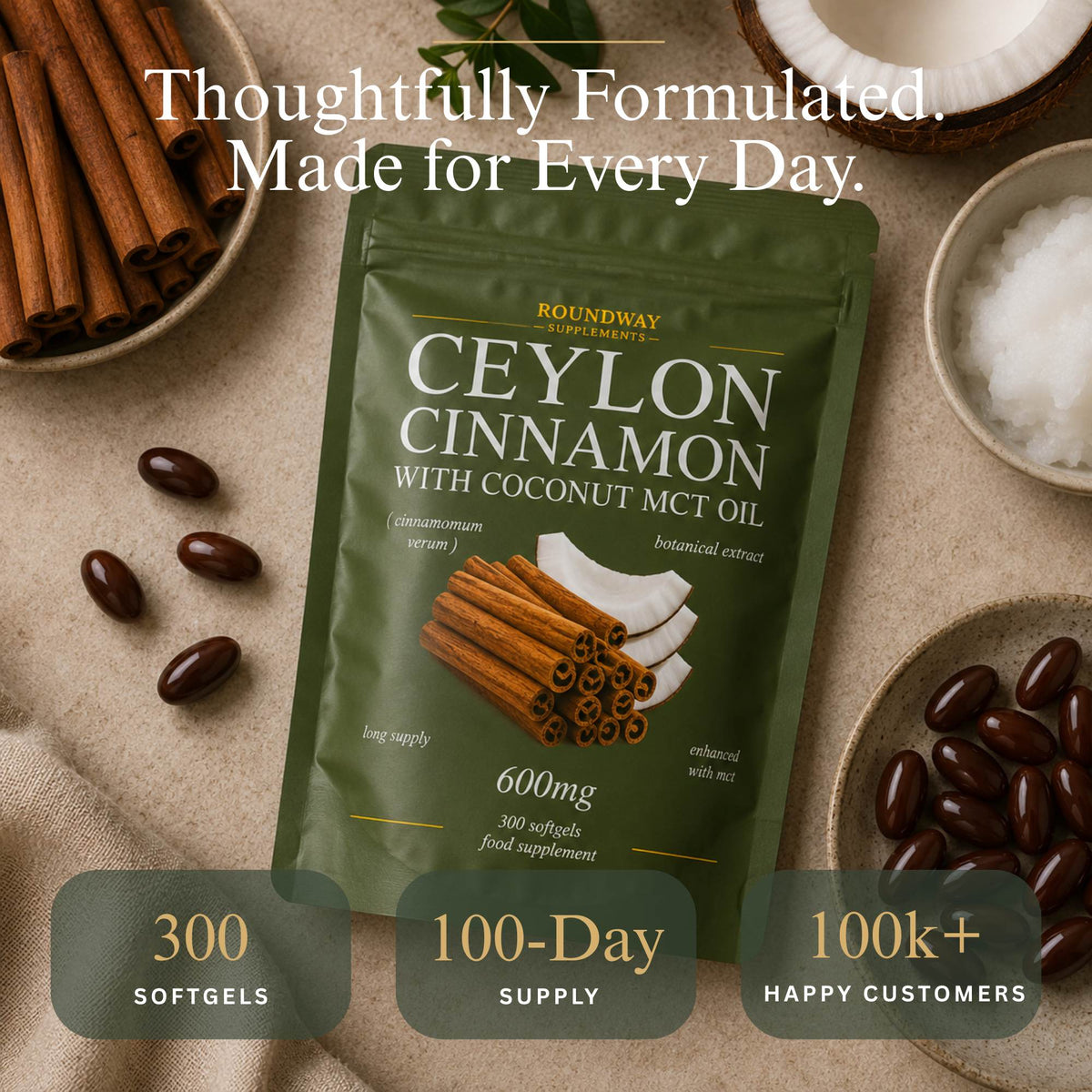
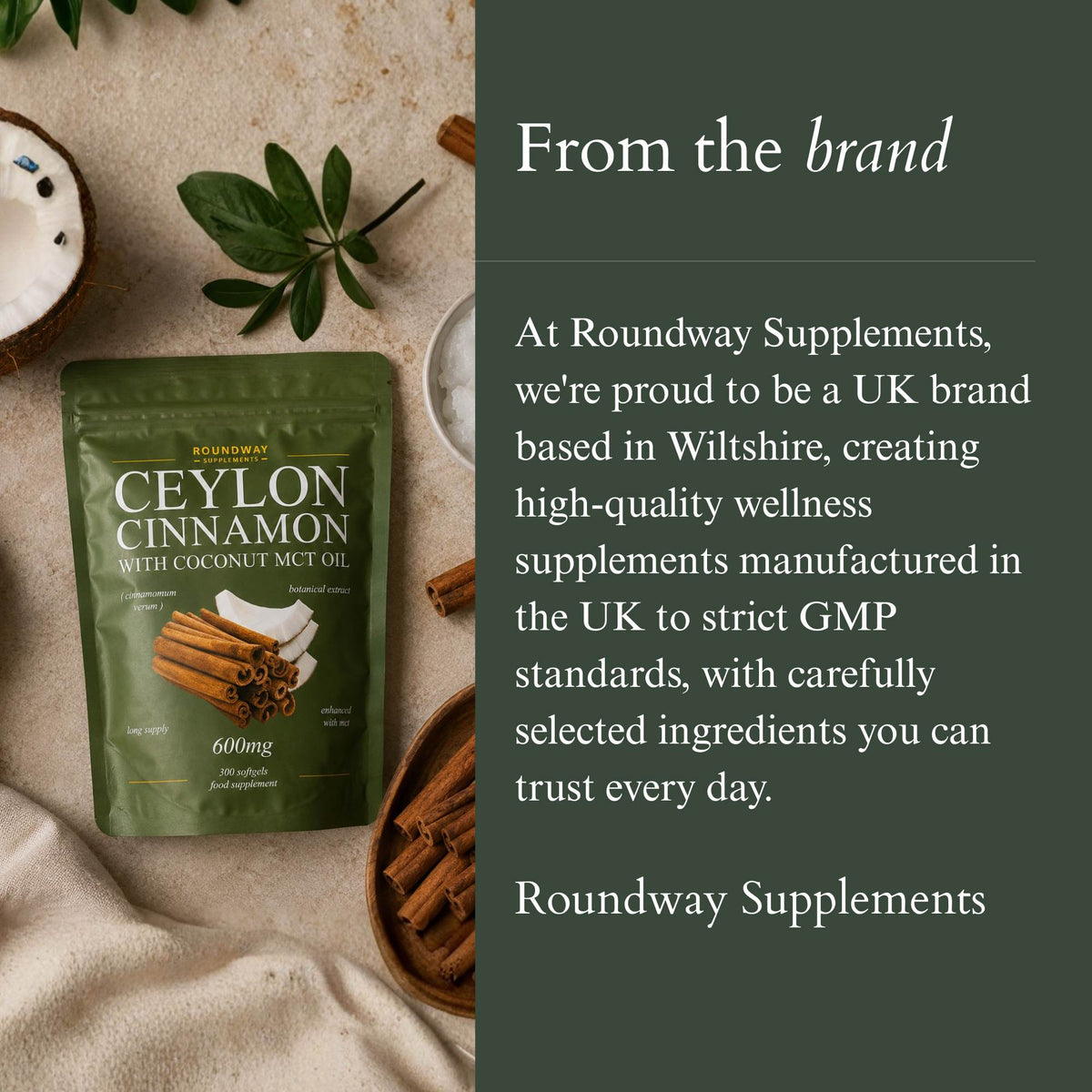
How it worksCeylon cinnamon comes from Cinnamomum verum, a tree native to Sri Lanka. The thin inner bark is peeled and rolled into quills: soft, papery layers stacked inside each other, with a sweet, delicate flavour.
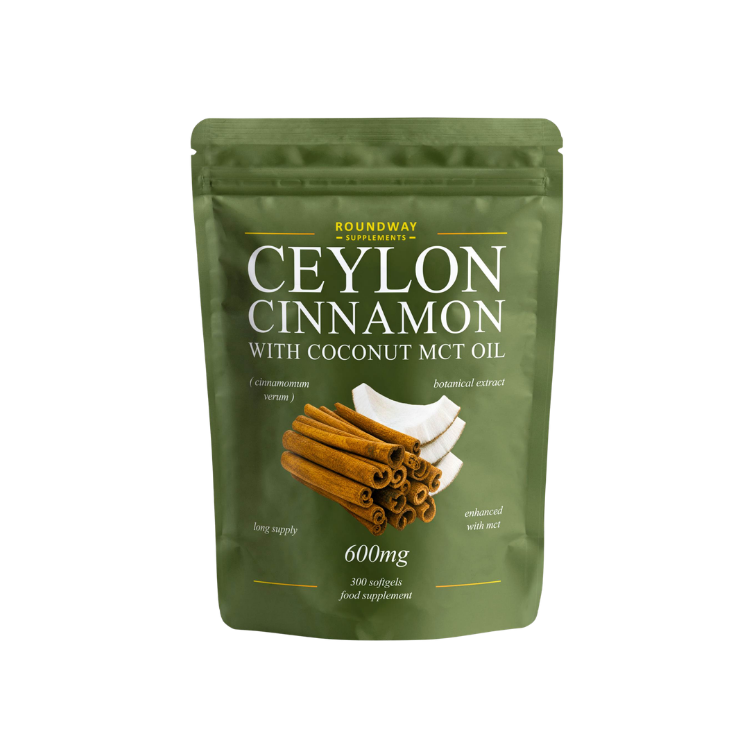
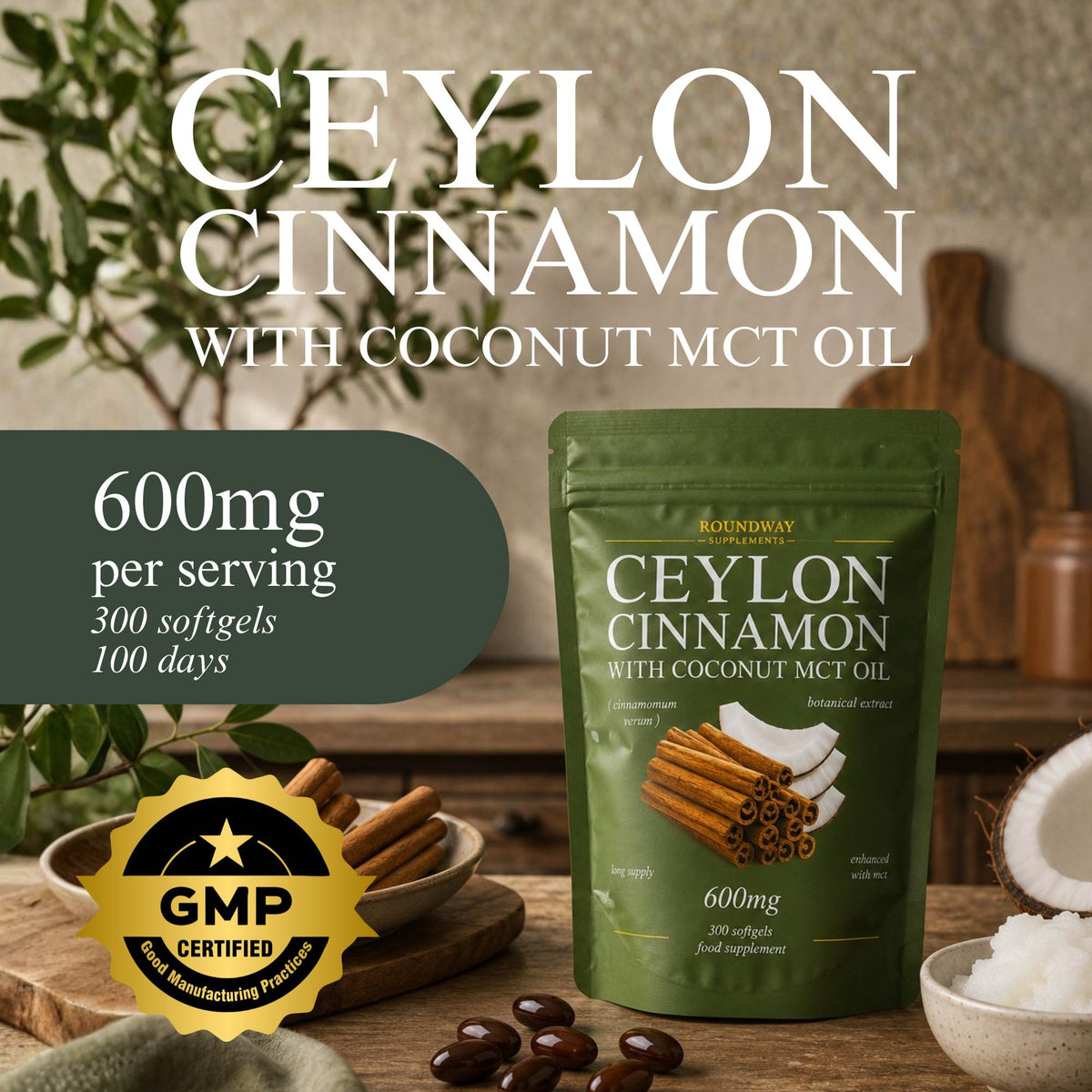
The everyday context600mg Ceylon cinnamon extract.
Two trees, one name.
How it worksCassia comes from related trees, mainly in China, Indonesia and Vietnam. Its bark is a single thick, hard layer with a stronger, harsher flavour. Cassia also contains far more coumarin, a natural compound with a tolerable daily intake set by food safety authorities. Ceylon contains only traces.
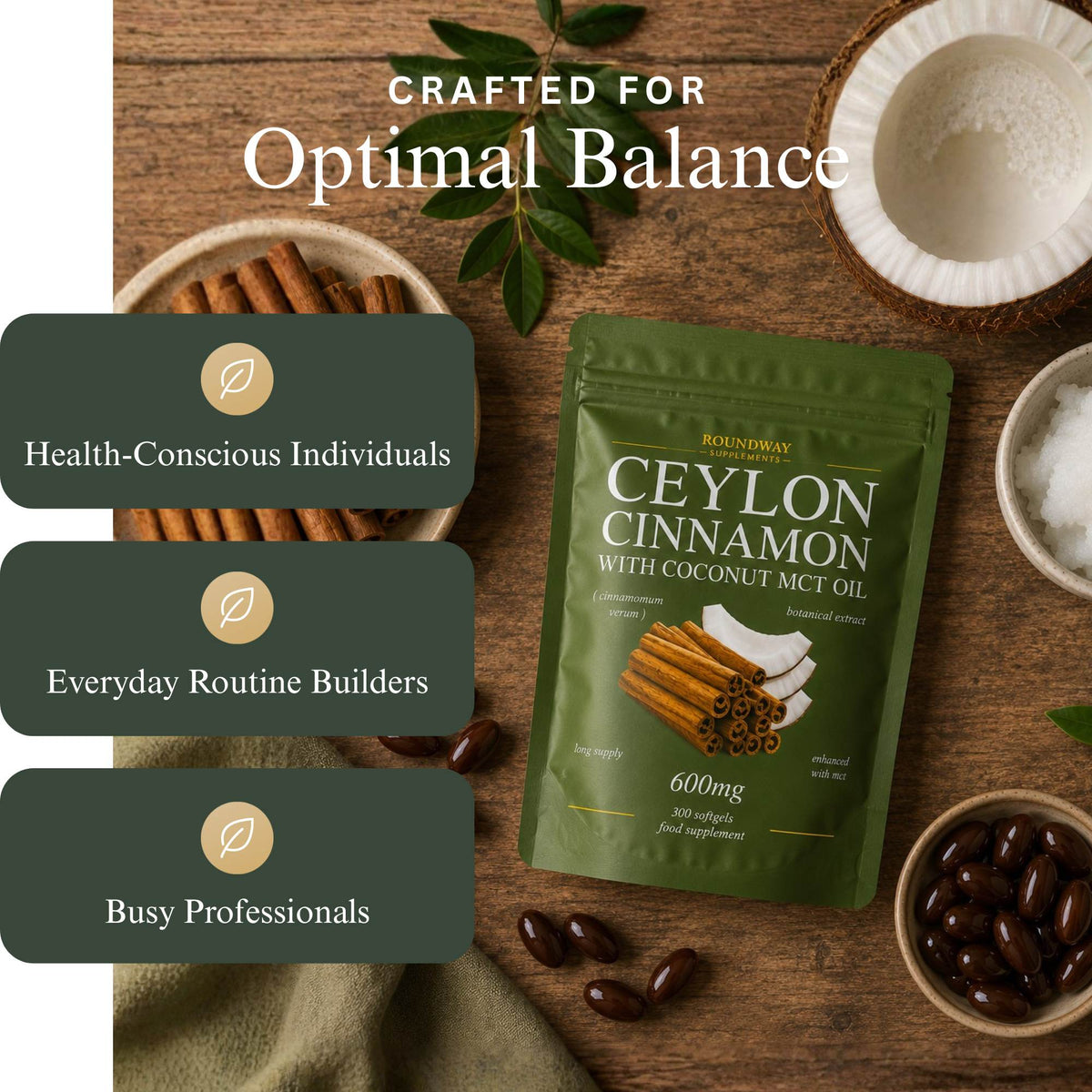
The everyday context600mg Ceylon cinnamon (Cinnamomum verum) extract, not cassia.
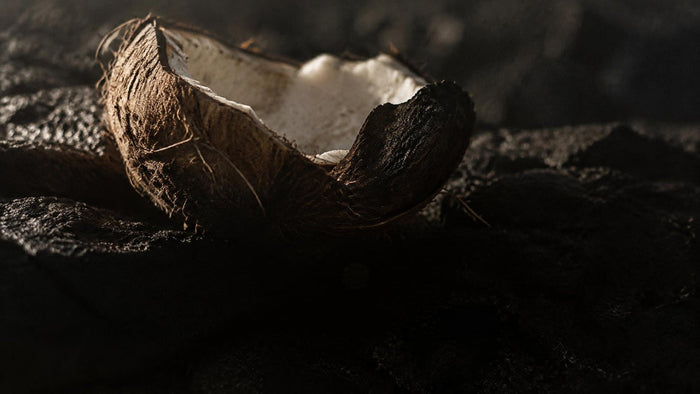
A carrier for the softgel.
How it worksMCT stands for medium-chain triglycerides: fats with shorter carbon chains than most dietary fats, taken from coconut oil. Here the cinnamon extract is suspended in MCT oil and sealed in a softgel, so there is no powder to measure.
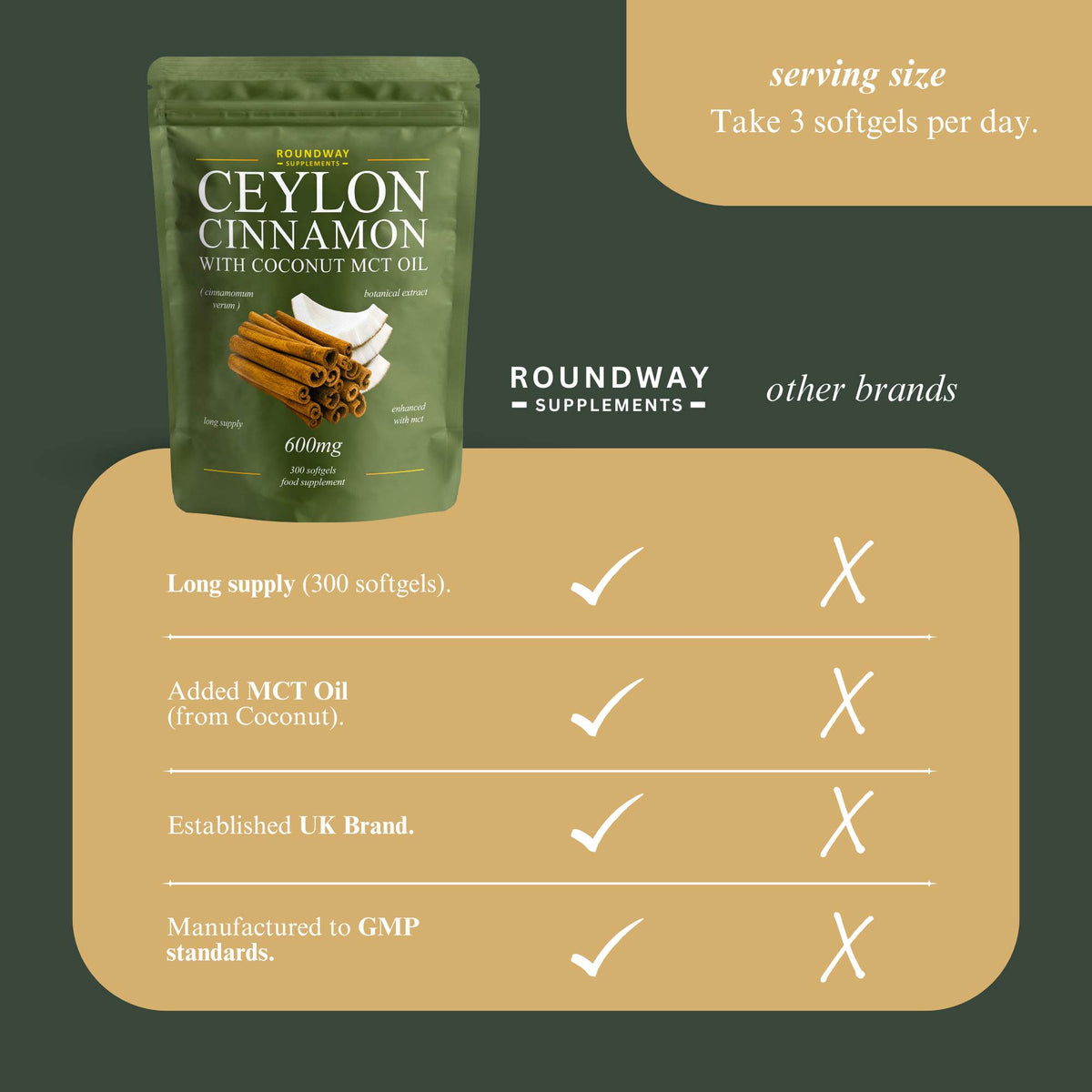
The everyday context300 softgels: 100 days at three a day.