








Three plants, explained
Three very different plants from three continents. Here is what each one is, and what is in it.
A bitter herb with a long paper trail.
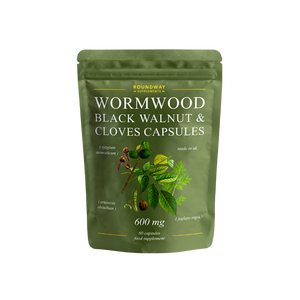
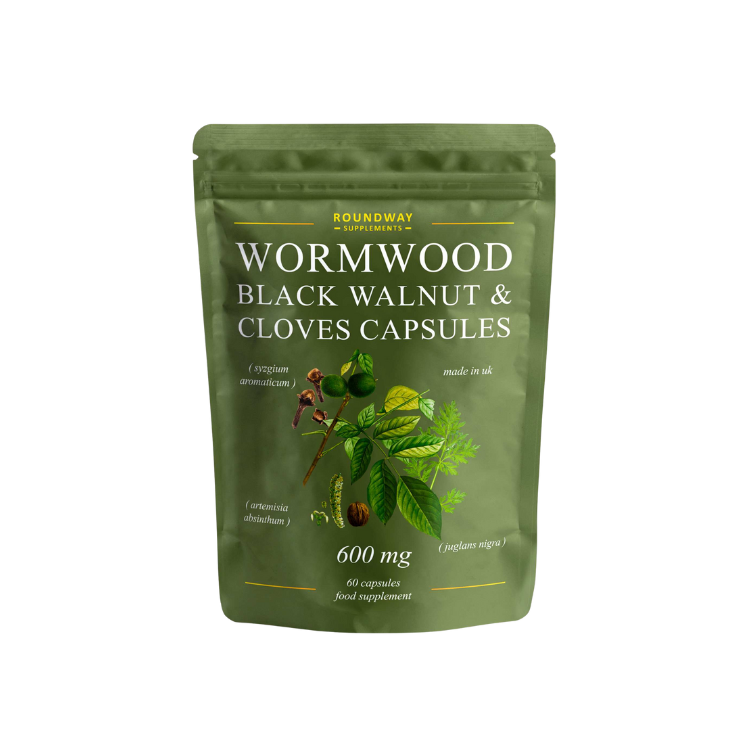
How it worksWormwood (Artemisia absinthium) is a silvery perennial in the daisy family. Its leaves and flowering tops are dried and powdered. Its famous bitterness comes from compounds such as absinthin, and its essential oil contains thujone, which UK food law limits in food and drink.
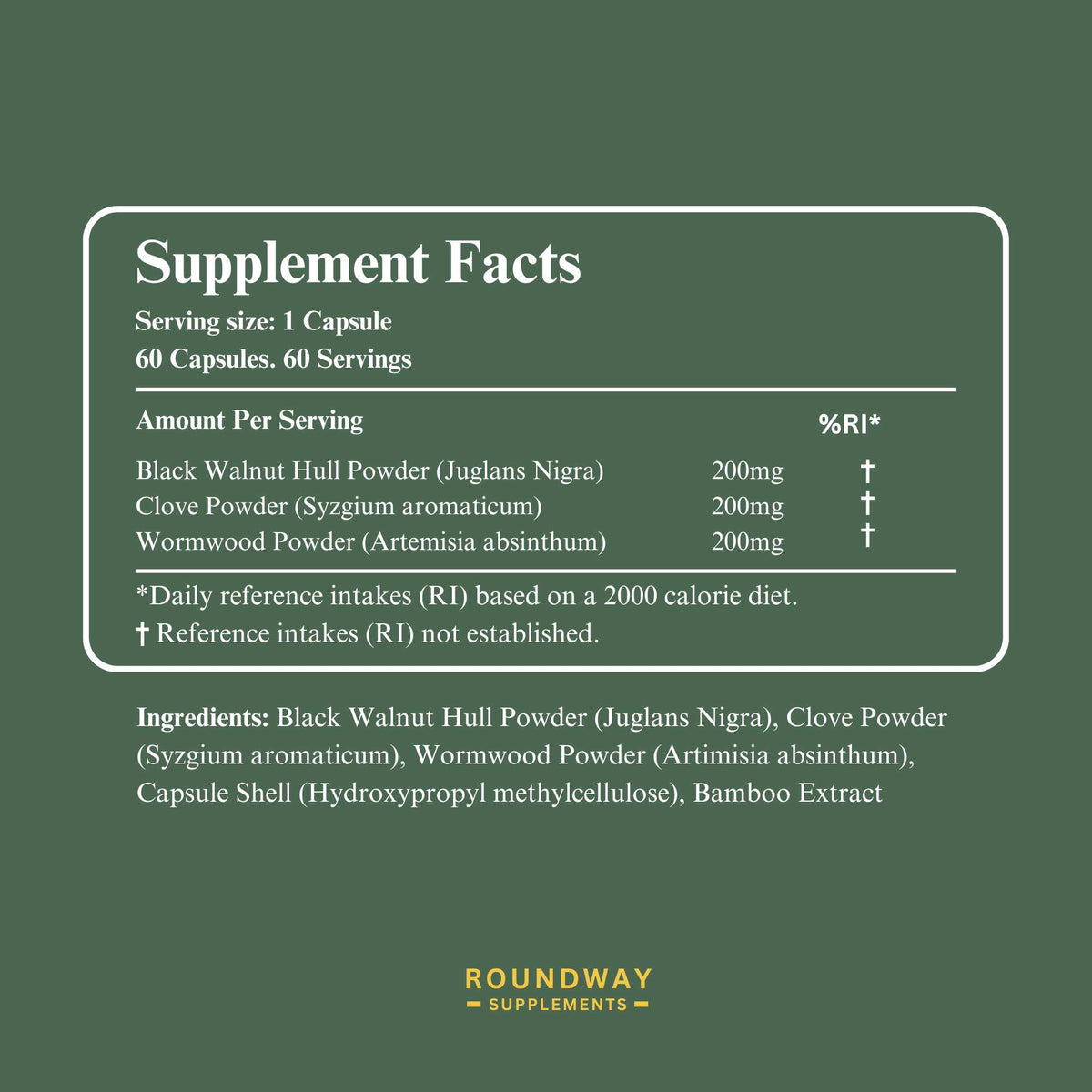
The everyday context200mg wormwood powder (Artemisia absinthium).
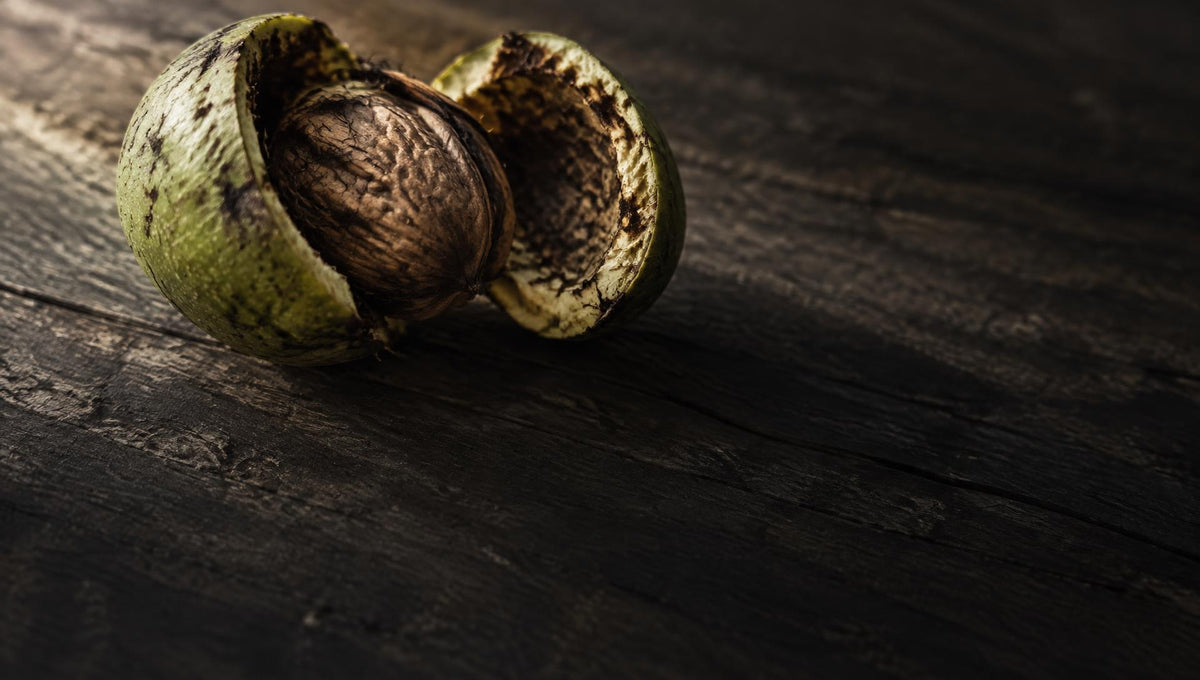
The green hull, not the nut.
How it worksBlack walnut (Juglans nigra) is a hardwood tree of eastern North America. The green hull around each nut contains juglone, a natural compound that darkens in air, which is why the hulls were used for centuries to dye cloth, hair and ink.
The everyday context200mg black walnut hull powder (Juglans nigra).
A flower bud, picked before it opens.
How it worksCloves are the dried, unopened flower buds of Syzygium aromaticum, an evergreen tree native to the Maluku Islands in Indonesia. Up to 18% of a bud is essential oil, and around 89% of that oil is eugenol, the compound behind clove’s warm aroma.
The everyday context200mg clove powder (Syzygium aromaticum).